Tī Rākau
Spark New Zealand
Liam Bennett, Micheal Dong, Elijah Francis, and Jade Luke-Hurley.
Tī Rākau, is an interactive installation that celebrates the power of 5G by blending Māori tradition with modern technology. Using camera-based colour tracking and immersive screen portals, players connect across distant locations to play the traditional stick game.
Designed to inspire rangatahi, the experience shows how Spark’s 5G can bridge cultural heritage and the digital future, connecting land, people, and potential.
My Roles
Project Manager
Graphic Design
Physical Prototyping
Animation
Videography/Motion
Photography
Year
2024
Project Type
Live Client Brief
Awards

Best Awards (2025)
Silver: Student Digital
Best Awards (2025)
Silver: Student Animation


Establishing the Idea of Tī Rākau.
As part of the app enhancements, we rebranded Kupu to Kupu Rangi, refining the logo and visual identity for better clarity and cohesion. The original logo featured a complex raranga weave and multiple colours, making it difficult to apply across backgrounds and affecting readability. We simplified the icon, drawing inspiration from kāhui whetū (flax stars) and weaving patterns, while updating the wordmark to use DM Sans, a clean, modern typeface that aligns more closely with Spark’s brand.
The new type system features Gelica for headings, with Gelica Italic used to highlight key words, and DM Sans for body text to ensure readability and consistency. The refreshed colour palette brings Kupu Rangi in line with Spark’s visual identity, using vibrant pinks and deep purples to create a future-facing yet culturally grounded look.

Branding and Campaign.
The branding was designed to align with Spark’s visual identity, using its colour palette and clean iconography to maintain cohesion. The Tī Rākau logo drew inspiration from raranga (flax weaving) and the spinning motion of the traditional game, while supporting patterns based on tāniko gave the sub-brand a strong, geometric aesthetic.
The campaign reached rangatahi through bold, digital-first posters and billboards designed to spark curiosity and highlight the connection between culture and technology.

- Early campaign poster ideation.

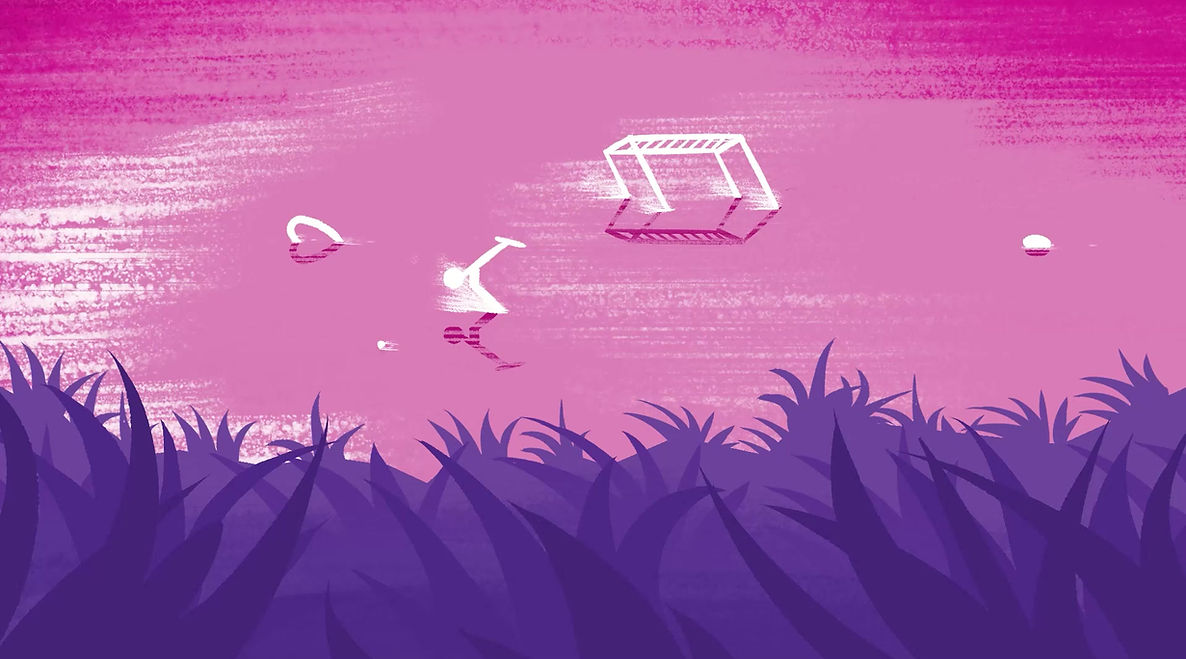
Explainer Animation by: Michael Dong and Jade Luke-Hurley.



Crafting the Installation.
The design journey began with early sketches to explore form and interaction, which were developed into detailed 3D renders to visualise the installation in context.
From there, technical blueprints were created to guide the build process, leading to the construction of a scaled-down, functional prototype that demonstrated how the visual tracking and user interaction would work in a physical space.
- Early Rākau sketch concepts..


- Portal Blueprint Dimensions (full-scale version).

- Portal Blueprint Dimensions (full-scale version).


- Adding the final touches to the Rākau.

- Crafting the scaled down Portal prototype.

Concept to Working Prototype.
The Tī Rākau game was coded using basic HTML and integrated with interface screens designed in Figma. These screens were displayed on a secondary monitor, allowing the prototype to function as a playable game experience.
The Tī Rākau game operates using a webcam that tracks the coloured tips of the sticks. Movements such as lifting, lowering, tapping, or flipping the sticks are detected based on colour changes and translated into inputs for the coded prototype. Stick actions successfully performed on time by the player contribute to a score displayed at the end of the game, with on-time actions earning more points and delayed or missed actions earning fewer points.
The gameplay is synchronised with a traditional Māori waiata, and players receive a score based on how accurately they perform the rhythm. In the full version, Spark’s 5G would enable players across Aotearoa to connect and play together in real time.

- Elijah Francis works on creating code to run the functional game prototype.


